Designing with Sustainability in Mind + Energy-Efficient Lighting
The Importance of Sustainable Design
Sustainable design is a growing trend in the architecture and interior design industries. It focuses on creating spaces that are environmentally friendly, socially responsible, and economically viable. By using sustainable design principles, professionals can reduce the negative impact of buildings on the environment and create healthier, more efficient spaces for occupants.
Key Elements of Sustainable Design
- Energy efficiency
- Water conservation
- Use of recycled and eco-friendly materials
- Indoor air quality
- Optimal site usage
Energy-Efficient Lighting
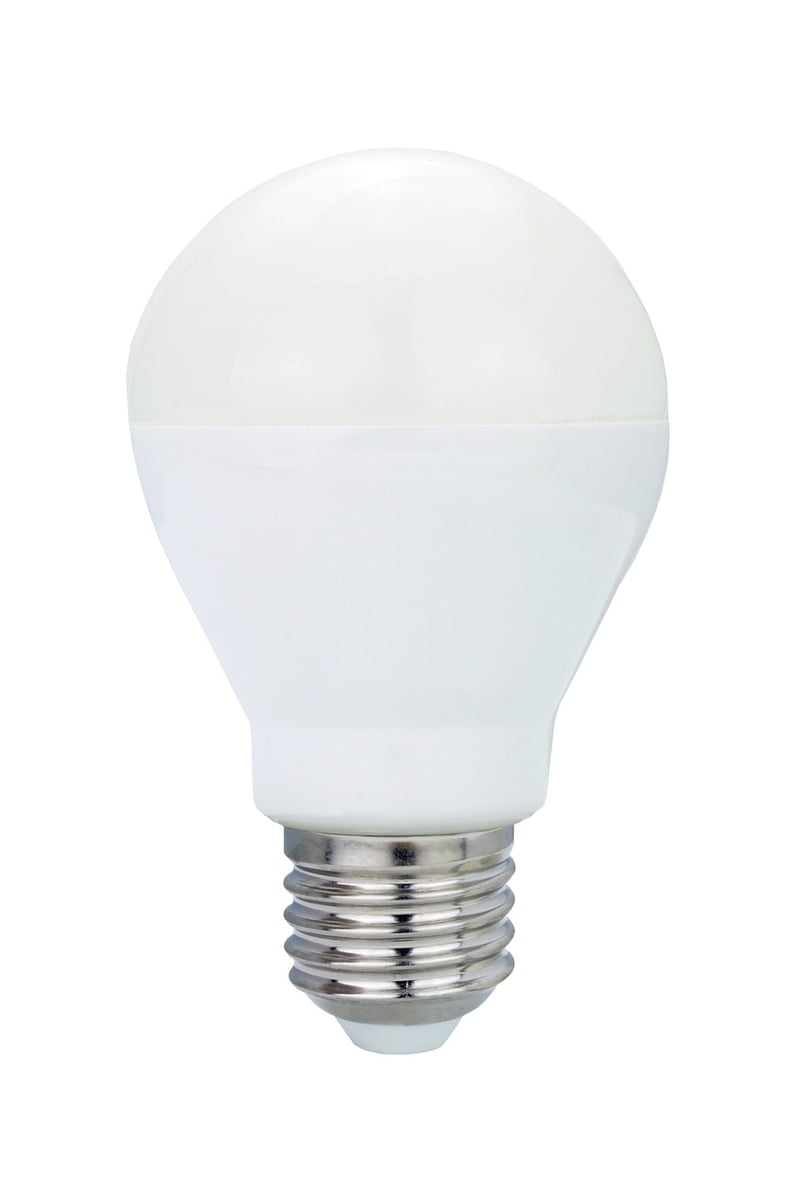
One crucial aspect of sustainable design is energy-efficient lighting. Lighting accounts for a significant portion of a building's energy consumption. By using energy-efficient lighting solutions, designers can reduce energy usage and operating costs while creating visually appealing and functional spaces.
Benefits of Energy-Efficient Lighting
- Lower energy consumption
- Reduced electricity bills
- Extended lifespan of lighting fixtures
- Improved quality of light
- Enhanced occupant comfort
Types of Energy-Efficient Lighting
There are several types of energy-efficient lighting options available:
- LED Lighting
- CFL (Compact Fluorescent Lamp) Lighting
- Halogen Lighting
- Daylighting
Choosing the Right Lighting Solution
When selecting lighting for a sustainable design project, consider factors such as energy efficiency, color temperature, and lighting controls. Integrating natural light through windows and skylights can also reduce the need for artificial lighting during the day.
Conclusion
Designing with sustainability in mind and incorporating energy-efficient lighting solutions are essential steps towards creating environmentally responsible and energy-efficient spaces. By embracing sustainable design principles, architects and designers can contribute to a greener future while providing comfortable and visually appealing environments for occupants.